
What Is Wisdom Teeth Removal?
Wisdom teeth removal is an oral surgery procedure that takes out your third molars, the last teeth to come in at the back of your mouth, before they cause pain, infection, or damage to nearby teeth. At TruSmile Dentistry in San Antonio, TX, we evaluate your wisdom teeth with digital imaging and walk you through your options so you know exactly what to expect before treatment begins.
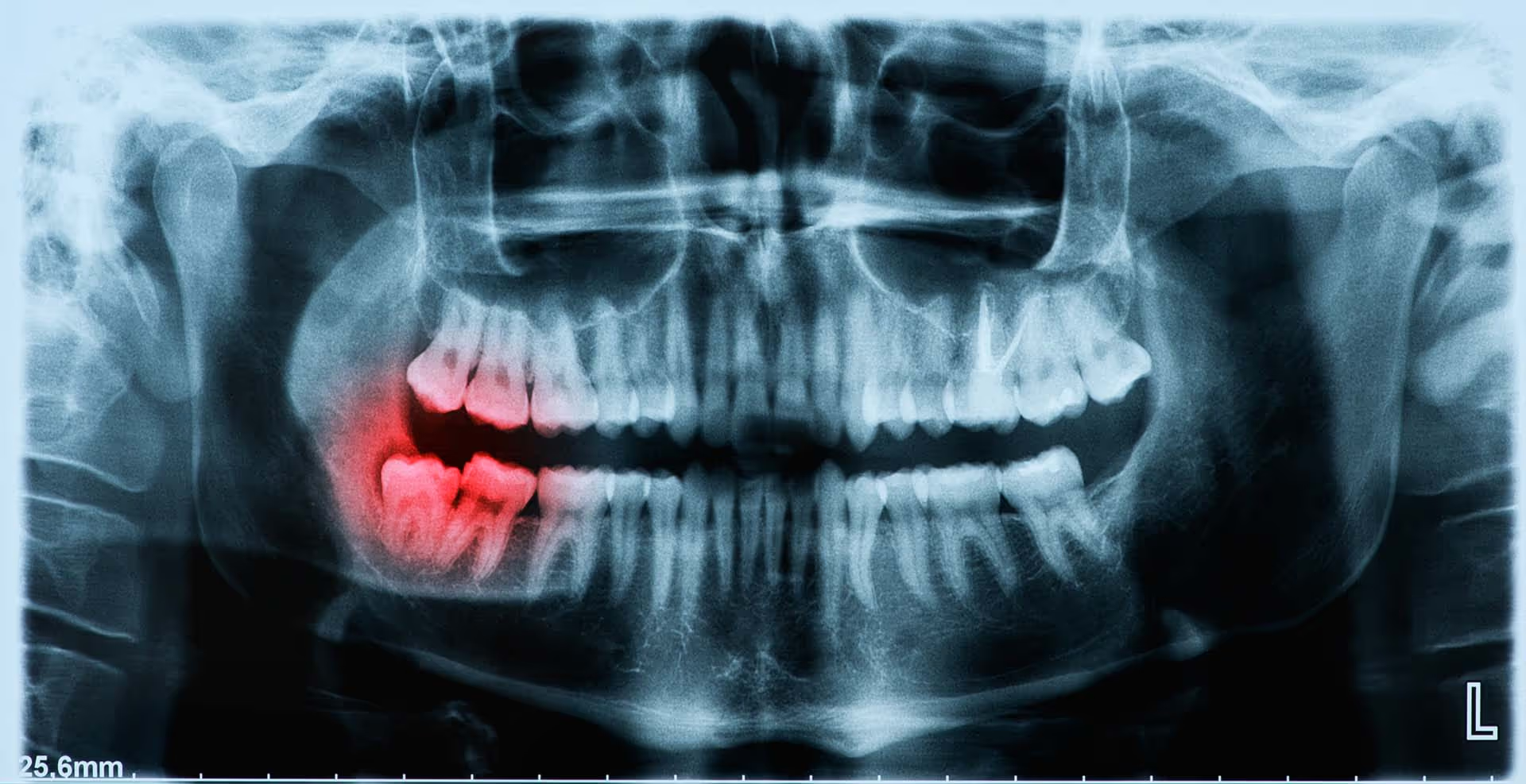
Wisdom teeth usually start to develop in the late teens and early twenties. When the jaw does not have enough room for them, they can get stuck beneath the gums or come in at an angle, which is known as impaction. Not every wisdom tooth has to come out, but the ones that are causing problems are best treated sooner rather than later.

Why Might Wisdom Teeth Need to Be Removed?
Wisdom teeth are hard to reach and hard to keep clean, which is why they so often become a problem. Common reasons to remove them include:
- Impaction. The tooth is trapped under the gums or bone because there is not enough room for it to come in properly.
- Pain and swelling. Tenderness or swelling at the back of the jaw is often the first sign that a wisdom tooth is in trouble.
- Infection. Partially erupted wisdom teeth can trap bacteria and food, leading to red, swollen, or painful gums.
- Damage to neighboring teeth. A wisdom tooth that pushes against the tooth in front of it can cause decay, damage, or crowding.
- Cavities and gum disease. Wisdom teeth that are difficult to brush and floss are more prone to decay and gum problems.
We proudly welcome patients from Stone Oak, Shavano Park, Castle Hills, and surrounding San Antonio communities for wisdom teeth removal.
How Do We Know If Your Wisdom Teeth Need to Come Out?
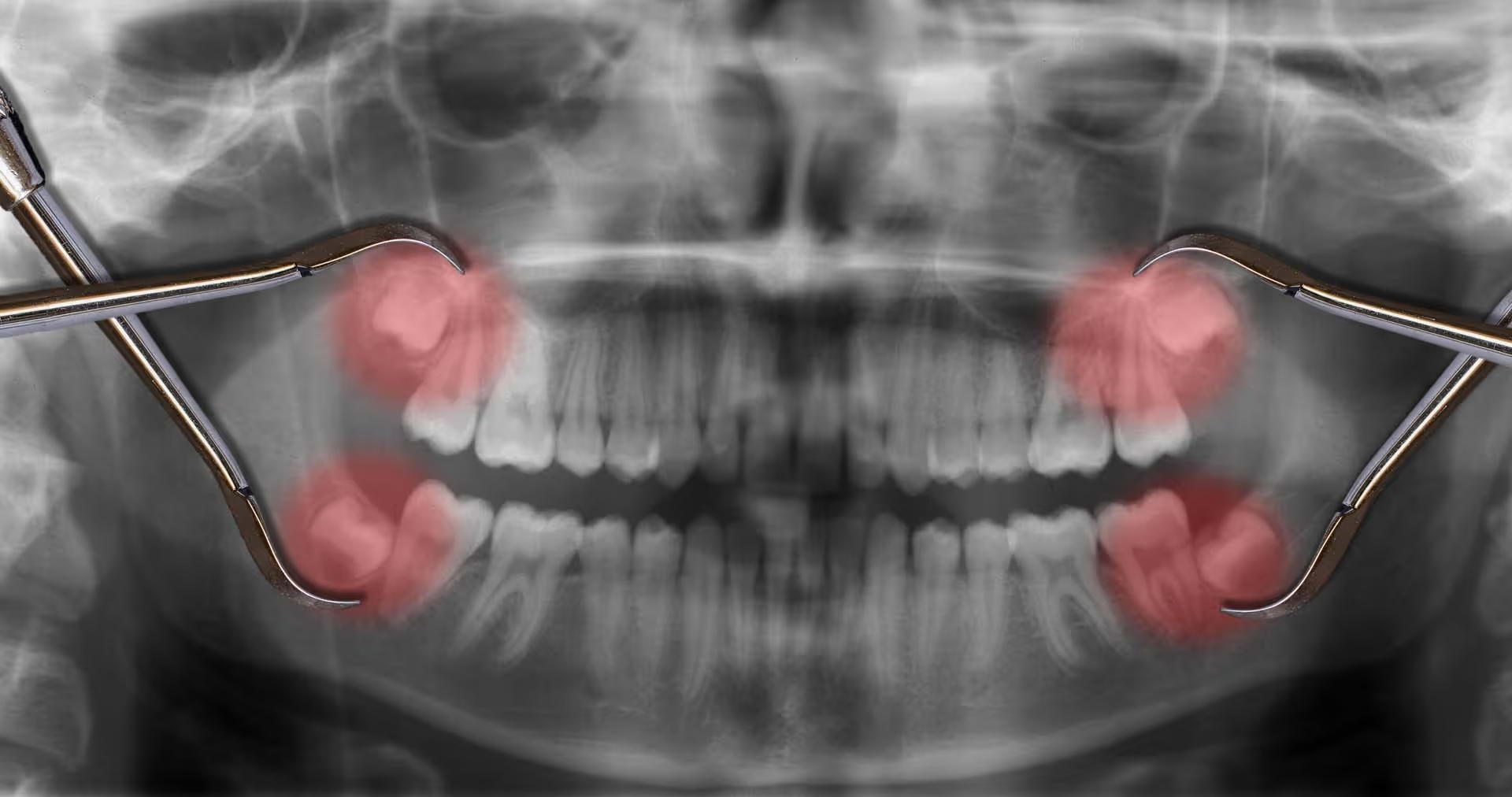
The most reliable way to find out is a dental exam with imaging. Our team takes dental X-rays to see whether your wisdom teeth are impacted, how they are positioned, and whether they are affecting the teeth around them. For more complex cases, our in-office CBCT scanner provides a 3D view of the tooth roots and surrounding structures so we can plan removal carefully.
You may be a good candidate for wisdom teeth removal if you notice any of the following:
- Pain, pressure, or stiffness in the back of the jaw
- Swollen, red, or bleeding gums near the back molars
- A bad taste or persistent bad breath
- Difficulty opening your mouth fully
- Teeth that feel crowded or are shifting
Some patients have no symptoms at all, which is why routine exams and X-rays during your regular dental cleaning and exam are so valuable for catching problems early.
What Happens During Wisdom Teeth Removal?
Wisdom teeth removal is a form of oral surgery, and we focus on keeping every step as comfortable as possible. Here is what to expect:
- Consultation and imaging. We examine your mouth, review your X-rays, and talk through which teeth need to be removed.
- Sedation planning. We discuss your comfort options, which may include nitrous oxide sedation or IV sedation, along with local anesthetic to numb the area.
- Removal. We make a small opening in the gums if needed and carefully remove the tooth, sometimes in sections, to protect the surrounding bone and teeth. The process is repeated for any other wisdom teeth being removed.
- Closing and aftercare. The area is cleaned and, if needed, closed with stitches. You will leave with clear written instructions for caring for your mouth at home.
If you need other teeth taken out as part of your treatment plan, we also provide tooth extractions in the same office.
What Is Recovery Like After Wisdom Teeth Removal?
Some soreness and swelling are normal for the first few days after surgery. Most people start to feel noticeably better within a few days to a week, although the gums take longer to heal completely. To help your recovery go smoothly:
- Rest for the first 24 hours and keep your head elevated when lying down.
- Use ice packs on your cheeks to help reduce swelling.
- Stick to soft foods such as yogurt, soup, and mashed potatoes for the first few days.
- Avoid straws, smoking, and vigorous spitting so the blood clot in the socket stays in place.
- Take any prescribed or recommended medications exactly as directed.
- Call our office if you have severe pain, fever, or bleeding that does not slow down.
Who Performs Wisdom Teeth Removal at Our San Antonio Office?
Wisdom teeth removal at our practice is provided by Dr. Robert Lindeman, DMD, whose clinical focus includes advanced procedures such as oral surgery and who continues his education to stay current with new techniques. As a private practice, you see the same doctors from consultation through follow-up. When a case calls for a specialist, we bring them to our office so you do not have to travel elsewhere for care.
Wisdom Teeth Removal FAQs
At what age should wisdom teeth be removed?
Wisdom teeth are most often removed in the late teens or early twenties, before the roots are fully developed, which can make removal and recovery easier. That said, they can be removed at any age if they are causing problems, and an X-ray exam is the best way to know if yours need attention.
Is wisdom teeth removal painful?
The area is fully numbed during the procedure, and sedation options are available to help you stay relaxed. Most patients feel pressure rather than pain while the tooth is removed. Soreness afterward is normal and can typically be managed with the medication and aftercare instructions we provide.
How long does it take to recover from wisdom teeth removal?
Most patients feel better within a few days to a week. Swelling usually peaks in the first couple of days and then gradually improves, while the gums continue healing over the following weeks. Following your aftercare instructions closely helps you heal comfortably and avoid complications.
Do I have to remove all four wisdom teeth?
Not necessarily. Whether you need one, two, or all four removed depends on how each tooth is positioned and whether it is causing or likely to cause problems. We will review your X-rays and recommend only what you actually need.
How much does wisdom teeth removal cost in San Antonio?
The cost depends on how many teeth need to be removed, how complex the extractions are, and which type of sedation you choose. We will review your treatment plan and cost with you at your consultation so there are no surprises.
Ready to Take Care of Your Wisdom Teeth?
If your wisdom teeth are causing discomfort, or you are not sure whether they need to come out, our San Antonio team is here to help. Schedule a consultation today and get a clear answer.
Want to schedule an
appointment?




1207 N. Loop 1604 W, Suite 118 San Antonio, TX 78258
Monday 8AM - 5PM
Tuesday 7AM - 4PM
Wednesday 8AM - 5PM
Thursday 7AM - 4PM
Friday 8AM - 2PM